Published Apr 12, 2026, PM EDT Richard Craig is a Senior Author at Screen Rant covering film and TV. Richard has also written extensively about horror and film soundtracks, contributing a chapter to the first major academic collection on the folk horror genre, The Routledge Companion to Folk Horror. Richard is also a performing musician and holds an MA in Music and Sound Art.
Documentaries often carry an implicit promise: that what you’re watching is grounded in truth. While creative framing, editing, and narrative are part of the genre, audiences generally trust that the core information is accurate. However, not all documentaries hold up under scrutiny.
In the years since some of the most talked-about releases premiered, new evidence, deeper analysis, and even firsthand admissions have cast doubt on their claims. In some cases, what once felt like eye-opening exposés now look more like carefully constructed arguments built on selective facts. Sometimes, it takes years for experts, journalists, or even viewers to revisit a documentary’s assertions and compare them against broader evidence.
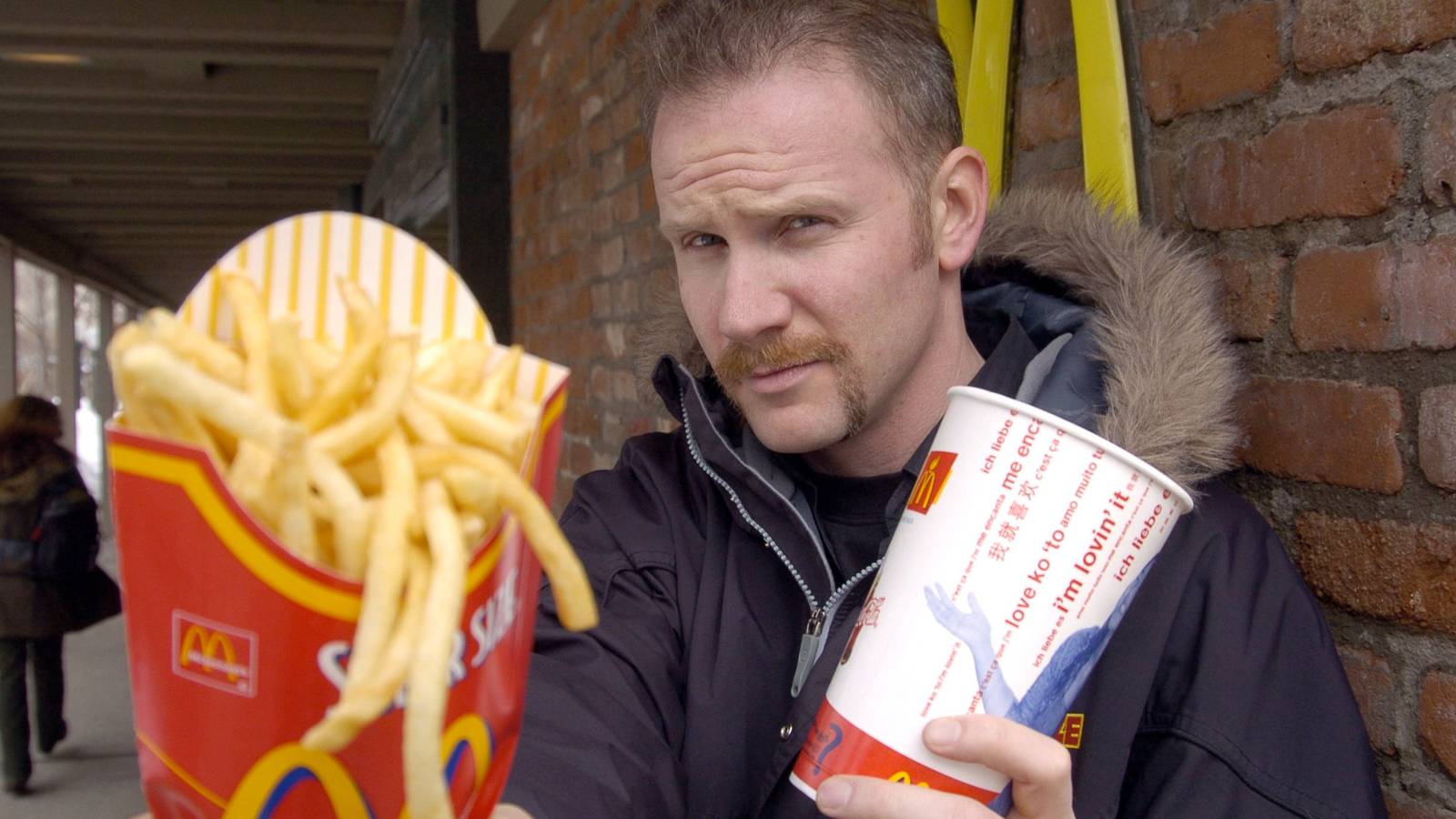
Other times, the filmmakers themselves become part of the story, revealing questionable methods or personal biases that undermine their work. As a result, certain documentaries that were once widely praised now feel misleading, exaggerated, or outright inaccurate. Super Size Me (2004) When it debuted, Super Size Me felt like a cultural wake-up call, directly linking fast food consumption to rapid health decline.
Morgan Spurlock’s experiment (eating only McDonald’s for 30 days) seemed to provide undeniable proof of the dangers of fast food. However, the documentary’s credibility has eroded significantly over time. Later revelations suggested that Spurlock’s dramatic health deterioration may not have been solely due to his diet.
Reports pointed to alcohol consumption as a major contributing factor, something the film never addressed. Additionally, his eating habits during the experiment were far from typical; he frequently forced himself to eat past fullness and avoided healthier menu options like salads or water. Related 6 Hit 2000s Movies That Aged Like Milk Once beloved, these 2000s hits now feel wildly outdated – leaning on offensive humor, tired tropes, and messages that simply don’t hold up today.
Subsequent attempts to replicate the Super Size Me experiment have failed to produce similar results. In fact, some participants even lost weight under similar conditions. These inconsistencies have turned what once seemed like a definitive study into a highly questionable one.
Bowling For Columbine (2002) At the time of its release, Bowling for Columbine was widely praised for its provocative examination of gun violence in America. Michael Moore’s signature style, blending humor, outrage, and pointed interviews, made the documentary both compelling and influential. However, its reputation has become more complicated in the years since.
Critics have highlighted several instances of misleading editing and factual inaccuracies. One of the most notable examples involves the portrayal of the Columbine shooters as victims of bullying. Later investigations revealed that they were not marginalized outcasts but had, in fact, bullied others themselves.
Another infamous scene shows Moore opening a bank account and immediately receiving a gun as a promotional incentive. While presented as instantaneous, the reality involved a waiting period, and firearms were not stored onsite. These discrepancies have led many to reconsider the film as less of an objective documentary.
Ancient Apocalypse (2022) Ancient Apocalypse arrived with massive popularity, offering a sweeping alternative history narrative that challenged mainstream archaeology. Hosted by Graham Hancock, the series suggests that a lost advanced civilization influenced ancient cultures around the world. While intriguing on the surface, the show has faced intense backlash from historians and archaeologists.
The central criticism is its presentation of speculation as fact. The series provides little to no scientific evidence for its claims, relying instead on conjecture and selective interpretation of historical sites. More controversially, critics argue that its ideas echo outdated colonial perspectives, implying that indigenous civilizations could not have achieved their accomplishments independently.
This line of thinking has drawn comparisons to pseudoscientific claims like aliens building the pyramids – arguments widely dismissed by experts. While entertaining, Ancient Apocalypse is now often cited as an example of how documentaries can blur the line between exploration and misinformation. What The Health (2017) What the Health made waves by promoting a plant-based diet as a solution to numerous health problems, even suggesting it could prevent or reverse serious illnesses like cancer.
At first glance, its message seemed empowering and backed by science.