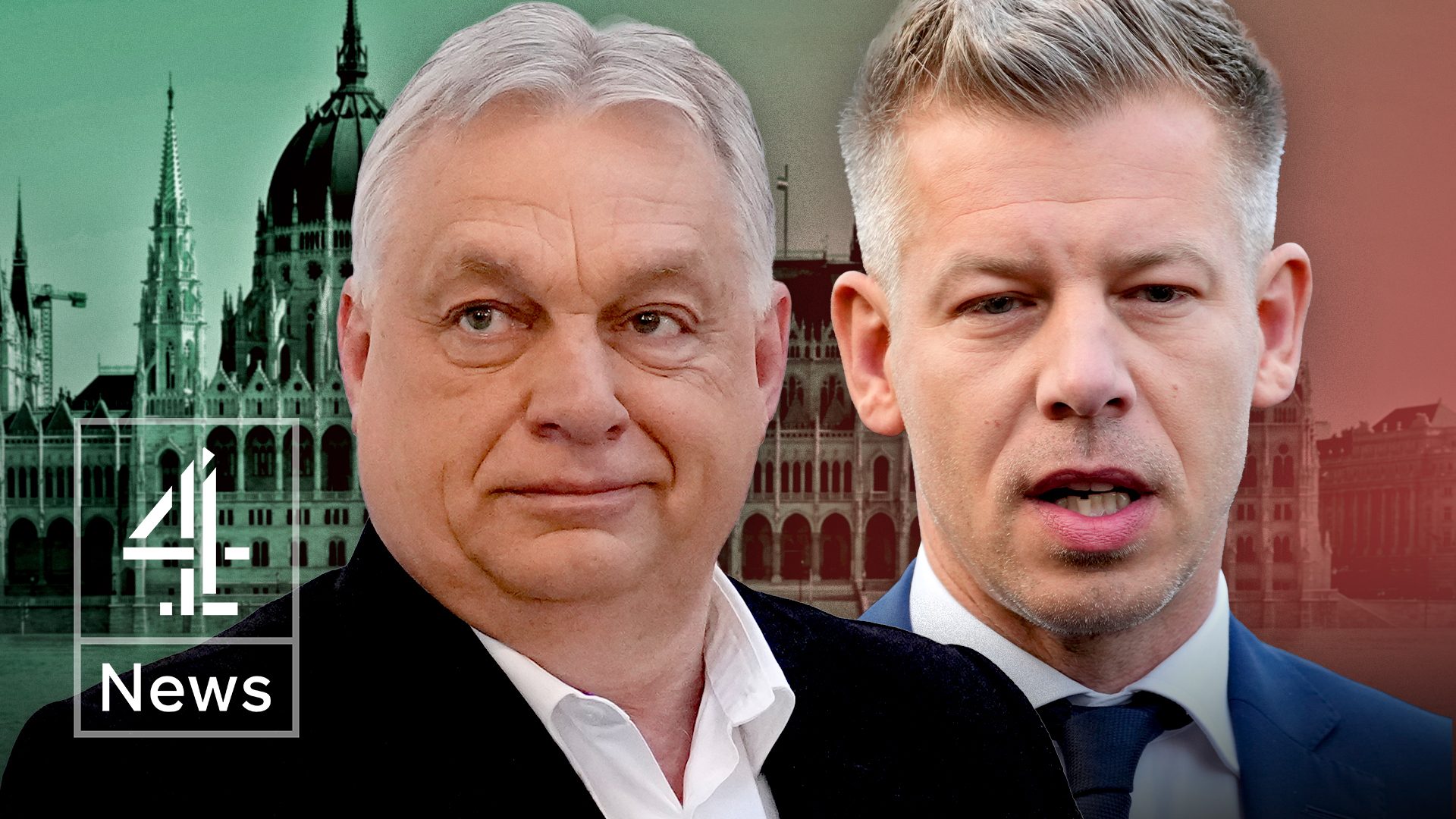
In a seismic shift that has sent shockwaves through European politics, Hungary's opposition has achieved what many thought impossible: defeating Viktor Orbán's Fidesz party after 16 years of consolidated power. The victory of Peter Magyar, a former regime insider turned reformer, represents not just a political change but a cultural awakening for millions of Hungarians who have known only Orbán's 'illiberal democracy.'
The campaign revealed the limits of Orbán's fear-based politics. His attempts to paint Magyar as a puppet of Ukrainian President Zelenskyy and warn of Hungarian troops fighting in Ukraine failed to resonate with voters more concerned about corruption, economic stagnation, and Hungary's international isolation. Even a last-minute campaign visit by U.S. Vice President Vance backfired, highlighting how Orbán's international alliances had become liabilities rather than assets.
Now the real work begins. Magyar inherits a state apparatus thoroughly captured by Orbán's allies, a constitution rewritten to favor the ruling party, and a population divided between urban progressives and rural traditionalists. His nationalist credentials and anti-immigration stance may reassure some Fidesz voters, but his pro-European orientation and anti-Putin rhetoric signal a dramatic foreign policy shift that will reverberate from Brussels to Moscow.